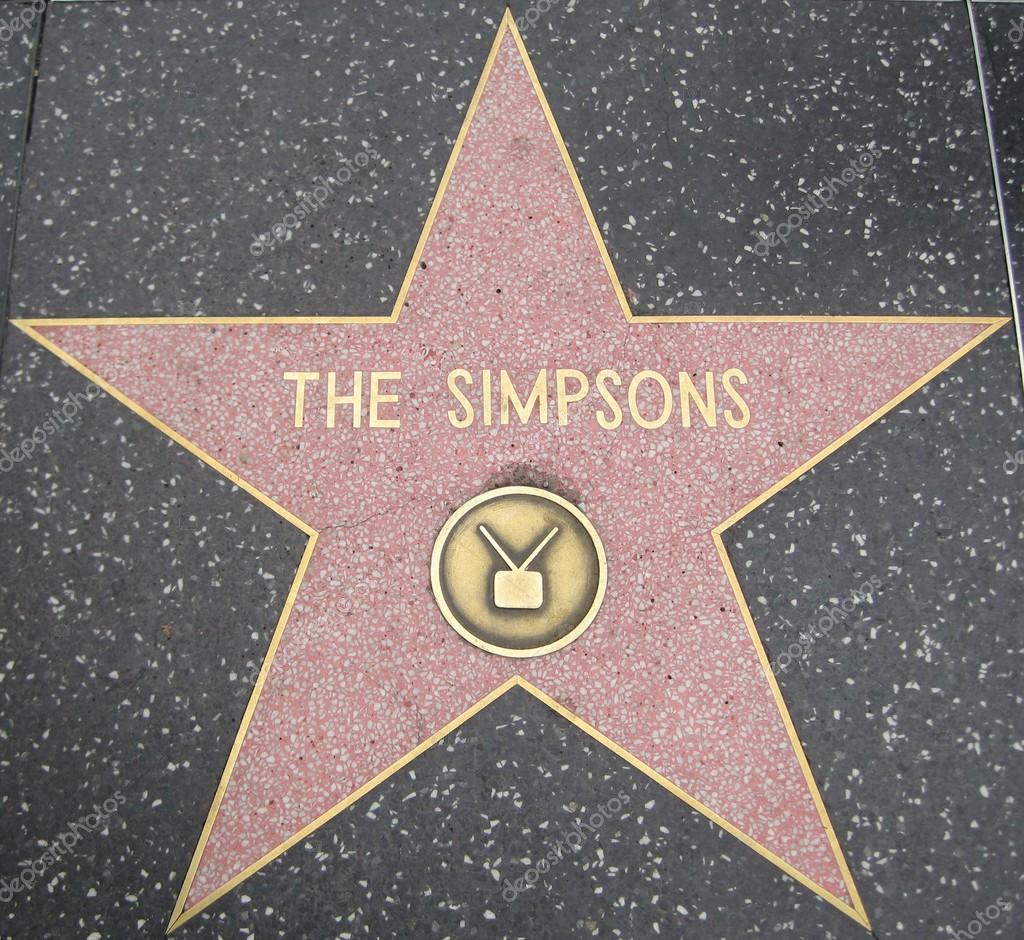
As an 80s kid, The Simpsons has to be in my top ten TV shows of all time. We grew up with Homer, Marge, Bart, Lisa and Maggie getting into all sorts of crazy situations. Who can forget when Bart cut off the head of the Jebediah Springfield statue, or when Bart was being bullied at school by Nelson, and Homer advised him to hit him in the family jewels? What about when Homer became “Dancing Homer,” the mascot for the Springfield Isotopes baseball team? Just a few weeks ago, my sister was sitting at the top row of stadium bleachers and was freaked out that she might fall, and I said, “Isn’t that how Maude Flanders died?” (I was right. It was. Check it out here.)
Many of you probably do not remember that The Simpsons was very controversial and edgy when it started, way back in 1989. Before that, cartoons were played on Saturday and Sunday mornings, or after school on weekdays. They had innocent, fun, playful stories, and were geared towards kids. Then came along a dysfunctional cartoon family with a foul-mouthed, troublemaking son on the airwaves during prime-time television. Some families at my church would not allow their kids to be exposed to such a show. Despite the controversy that surrounded The Simpsons, the show was a massive success. It was too funny not to be.
Surprisingly, The Simpsons remained funny for about 25 years, and even more surprisingly, it is still running today. It is impossible to keep a show funny forever, and The Simpsons did eventually lose its edge. The big laughs became chuckles, and then the chuckles started getting fewer and farther apart. It is rare that I watch anymore, but last Sunday I decided to flip over to The Simpsons. I was very disappointed. Unfortunately, it was not because it wasn’t funny. I expected that. What I did not expect to see was leftist, anti-religion, anti-charity, big government propaganda.
The episode, titled “Write Off This Episode,” starts with Marge and Lisa starting a charity to help the homeless. Then, Marge gets sucked into fundraising and “raising awareness” instead of actually helping anybody. The problem comes at the end of the episode, when the charity is holding a ritzy gala to celebrate the opening of their giant, glamourous, new headquarters. When Marge sees her folly, she opens up the center to the homeless to come in and eat. The rich donors are upset, and the villainous Mr. Burns stands up and gives this speech:
Enough of this do-goodery. Open your eyes, rich people. We’re not here to help the less fortunate. We’re here to bask in our fortunateness. If we really wanted to make a difference, we’d do the one thing we spent our lives avoiding… paying our taxes! Then, one organization, the government, could tackle all of society’s ills. Instead of leaving it to 1.5 million separate, ego-driven, micro-bureaucracies called charities, including, get a load of this scam, religions. But no one here wants the rational way. We all want the United Way, because that’s the American way.
Ay caramba! Not only was it irrational and not true, but it was unfunny. Look. It is OK to make fun of charities and religions. (Or, most religions. Some may chop off your head.) Most Christians have a sense of humor. However, it has to be funny! The Simpsons, in fact, have done it since the beginning. One of the most familiar characters is the goody-two-shoes, hyper-religious, next-door-neighbor, Ned Flanders, and he is funny. There have been many episodes based around church, or Reverend Lovejoy, that are hilarious. This episode, on the other hand, was not even intended to be funny. It was just a setup for a government propaganda speech based on a dangerous, flawed premise.
As someone who started and ran a charity to help addicts, I know something about this. While there are some bad charities and some bad churches, there are some major problems with the message that The Simpsons was clunkily shoving down our throats. Here are three big ones:
- Efficiency – Government is HIGHLY wasteful, inefficient and ineffective. Bureaucracy is defined by Investopedia as “a complex organization that has multilayered systems and processes. The systems and processes that are put in place effectively make decision-making slow. They are designed to maintain uniformity and control within the organization.” The government is slow, and to get anything done, you have to cut through red tape like you were hacking your way through the jungle with a machete. It is expensive to do this. Good charities, on the other hand, often only spend 20% or less of their donations on administrative costs, meaning that 80% or more of what you donate is used towards the cause.
- Choice – Taxes are coerced, so when the people see how inefficient the government is at solving problems, they cannot withhold their funding. The government has little reason to be efficient because they can take your money either way. Since taxes are mandatory and people cannot choose whether to give, the bureaucrats in charge of programs actually have an incentive to make problems worse, so that they can say that they need more funding. Conversely, charitable giving is voluntary, and people can choose which charities they give to. This is a massive difference. As I said, there are some bad charities and some bad churches, but you are not forced to give anything to them! This makes the charities accountable to their donors and forces them to show results. If they do not show results, they will lose donors. If you are looking into donating to a charity, there are watchdog organizations, like Charity Navigator, where you can find out what percentage of their donations are actually used for the cause.
- Proximity to the problems – The government, especially the federal government, is far from most of the problems in our country. This leads to impersonal, cookie-cutter solutions to problems that only work for very few of the people who need assistance. Churches are, without a doubt, the best, most effective organizations to deal with societal problems. Contrary to Mr. Burns’ assertion, they are not generally as bureaucratic. Most have boards of deacons or church elders to run things by, while other churches just have pastors with broad decision-making authority. After that, the people involved are the members of the church, who live in the affected communities and often know the people who need help. They are close to the problems and can deal with them in a much more personal way.
These three things just scratch the surface as to why charities and churches are far superior to the government when it comes to helping people. When Alexis de Tocqueville traveled through America in 1831, he was impressed by how Americans gathered together in charitable associations to help each other and thought that this was one of the big reasons why the young country was so successful. He noted, “I have often seen Americans make large and genuine sacrifices to the public good, and I have noted on countless occasions that, when necessary, they almost never fail to lend one another a helping hand.” He was correct. If you want to make a difference and help people, give to charities and get involved at your church. If you want to waste your money, give it to the government. Actually, you have to. D’oh!

 Steve Connally's Brain